Why CFOs Are Increasing AI Spending: What Treasury Teams Need to Know

CFOs are rapidly increasing their AI budgets in the next year. But here’s the real question treasury leaders must answer: When your CFO allocates that AI investment across the board, are you positioned to secure your share?
Artificial intelligence has moved from a future concept to a practical driver of financial performance. With CFOs betting big on AI to improve prediction, performance, and resilience, treasury leaders need to understand how this new technology can best be utilized.
The shift toward an automated, insight driven future is already underway. Treasury teams that can articulate AI’s impact on cash visibility, risk, and decision-making will be best positioned to lead in the next phase of finance.
AI Raises the Bar for Data Accuracy and Speed
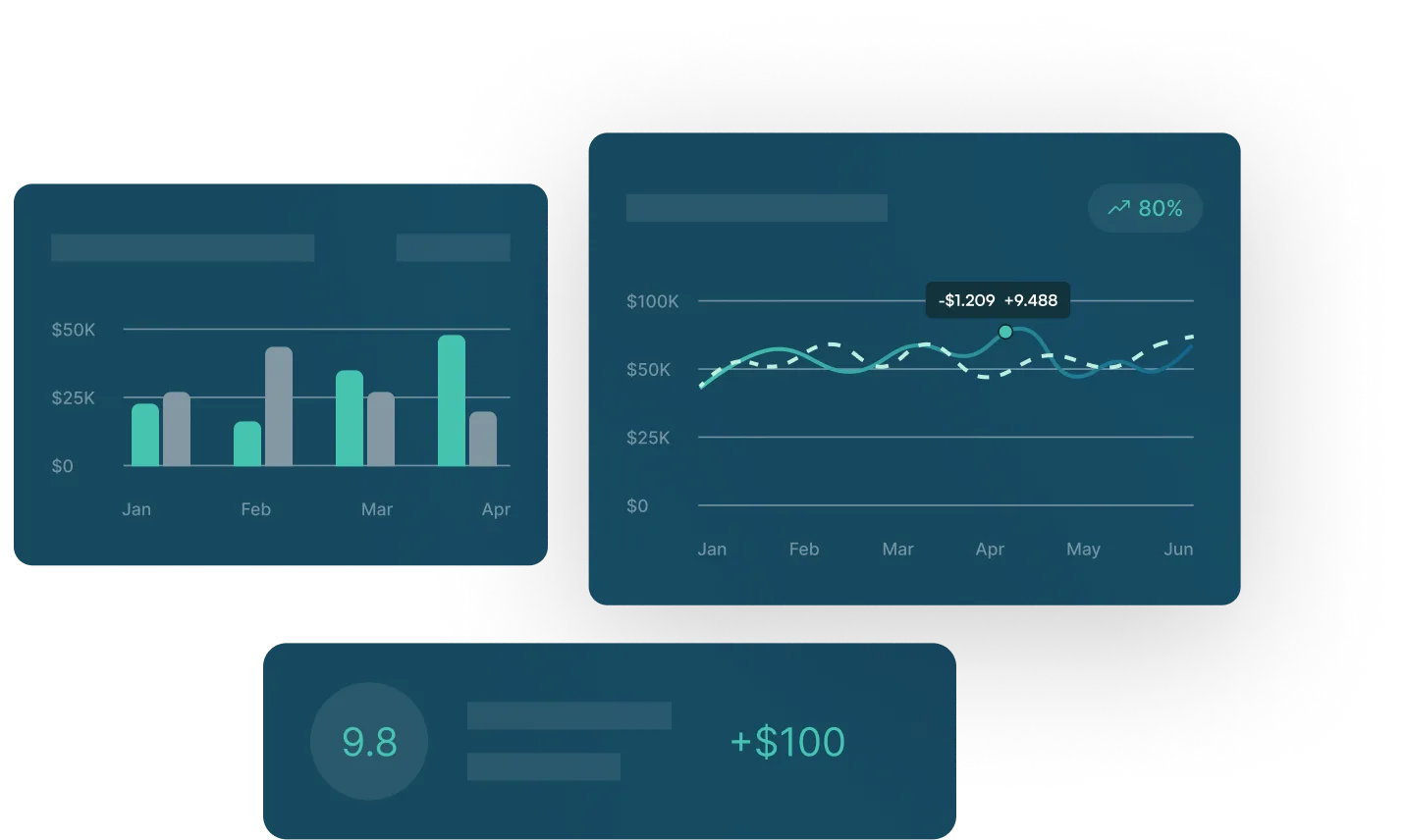
A CFO asks for the company’s cash position. Treasury provides the number, but it’s already a day old. Today’s CFOs expect real-time visibility into cash, exposures, and liquidity, not delayed snapshots.
Yet many treasury teams still spend hours each week manually aggregating bank data and updating spreadsheets. While treasury is compiling Excel reports, banking partners are already showing CFOs AI-powered dashboards that deliver instant, always-on insight.
Why CFOs Care
- Faster access to cash insights supports better capital allocation
- Consolidated data reduces reporting inconsistencies
- Reliable information helps leadership navigate volatile markets
What Treasury Teams Should Do
- Calculate hours spent on manual data aggregation. That's your ROI baseline
- Identify which executive questions you currently answer too slowly
- Build a business case showing reduced reliance on emergency credit lines with real-time visibility
With AI-driven data pipelines, treasury can move from reactive reporting to proactive financial intelligence.
CFOs Are Prioritizing Predictive Capabilities
Forecast accuracy is a major driver of CFO investment in AI, but the real challenge goes deeper. When forecasts miss, treasury teams often struggle to explain why the variance occurred. Traditional models aren’t built for today’s volatility.
When their revenue and expense assumptions feed directly into cash projections, treasury needs comparable AI capabilities just to keep pace.
Why CFOs Care
- Improved accuracy in cash forecasting and liquidity planning
- Better insight into receivables patterns and working capital cycles
- Enhanced hedging and interest rate risk management
What Treasury Teams Should Do
- Combine traditional forecasting expertise with AI model output
- Validate model results and provide context for leadership
- Use scenario analysis to support strategic planning
Treasury professionals who can interpret AI-powered forecasts will create significant value for the organization.
AI Strengthens Operational Risk Controls
CFOs often face board questions about liquidity stress testing and concentration risk.
Operational risk has become a priority for financial leadership. Payment fraud, compliance requirements, and audit scrutiny are increasing. As real-time payments expand, fraud detection must operate at transaction speed.
Why CFOs Care
- Reduced fraud losses and unauthorized payment risk
- Better internal control consistency across global operations
- Higher confidence in compliance and reconciliation processes
What Treasury Teams Should Do
- Audit your current fraud detection: How many false positives? How many manual reviews?
- Calculate the cost of payment delays from manual validation
- Propose AI-driven controls that reduce friction.
By embedding AI into treasury controls, teams can reduce risk and support a more resilient financial environment.
AI Creates Efficiency Gains
Some treasury professionals worry that AI will eliminate their roles. The reality: AI eliminates tasks, not expertise. The treasurers who thrive in an AI-landscape will be those who can interpret AI insights and challenge assumptions.
Areas Where AI Delivers Savings
- Bank data aggregation and reconciliation
- Payment processing and confirmation matching
- Cash pooling and short term investment allocation
- Bank fee analysis and reporting
Benefits for Treasury Teams
- More time for strategic analysis and relationship management
- Greater consistency and fewer operational errors
- Higher job satisfaction as manual work decreases
Automation allows treasury professionals to focus on insights rather than administrative tasks.
AI Aligns Treasury with Enterprise Digital Transformation
CFOs are expected to support digital transformation across the enterprise. Treasury must modernize to stay connected with adjacent finance functions like procurement, FP&A, and accounts receivable.
Why CFOs Care
- Integrated data improves planning accuracy
- Treasury workflows must match broader digital maturity
- AI platforms streamline collaboration across finance
What Treasury Teams Should Do
- Evaluate current system integrations and identify gaps
- Adopt tools that integrate with ERP and banking systems
- Prepare for a future where AI supports end to end financial processes
A forward-looking treasury function strengthens the entire financial ecosystem.
Preparing Treasury for the AI Enabled Future
CFOs see AI as a strategic investment that drives performance. Treasury teams need to prepare by building skills, updating processes, and embracing continuous improvement.
The Treasury AI Divide Is Already Here
Treasury teams that articulate clear ROI, demonstrate AI readiness, and align with enterprise digital strategy will secure funding. Those that wait will find themselves defending manual processes while the rest of finance modernizes.
Why CFOs Are Increasing AI Spending: What Treasury Teams Need to Know
CFOs are rapidly increasing their AI budgets in the next year. But here’s the real question treasury leaders must answer: When your CFO allocates that AI investment across the board, are you positioned to secure your share?
Artificial intelligence has moved from a future concept to a practical driver of financial performance. With CFOs betting big on AI to improve prediction, performance, and resilience, treasury leaders need to understand how this new technology can best be utilized.
The shift toward an automated, insight driven future is already underway. Treasury teams that can articulate AI’s impact on cash visibility, risk, and decision-making will be best positioned to lead in the next phase of finance.
AI Raises the Bar for Data Accuracy and Speed
A CFO asks for the company’s cash position. Treasury provides the number, but it’s already a day old. Today’s CFOs expect real-time visibility into cash, exposures, and liquidity, not delayed snapshots.
Yet many treasury teams still spend hours each week manually aggregating bank data and updating spreadsheets. While treasury is compiling Excel reports, banking partners are already showing CFOs AI-powered dashboards that deliver instant, always-on insight.
Why CFOs Care
- Faster access to cash insights supports better capital allocation
- Consolidated data reduces reporting inconsistencies
- Reliable information helps leadership navigate volatile markets
What Treasury Teams Should Do
- Calculate hours spent on manual data aggregation. That's your ROI baseline
- Identify which executive questions you currently answer too slowly
- Build a business case showing reduced reliance on emergency credit lines with real-time visibility
With AI-driven data pipelines, treasury can move from reactive reporting to proactive financial intelligence.
CFOs Are Prioritizing Predictive Capabilities
Forecast accuracy is a major driver of CFO investment in AI, but the real challenge goes deeper. When forecasts miss, treasury teams often struggle to explain why the variance occurred. Traditional models aren’t built for today’s volatility.
When their revenue and expense assumptions feed directly into cash projections, treasury needs comparable AI capabilities just to keep pace.
Why CFOs Care
- Improved accuracy in cash forecasting and liquidity planning
- Better insight into receivables patterns and working capital cycles
- Enhanced hedging and interest rate risk management
What Treasury Teams Should Do
- Combine traditional forecasting expertise with AI model output
- Validate model results and provide context for leadership
- Use scenario analysis to support strategic planning
Treasury professionals who can interpret AI-powered forecasts will create significant value for the organization.
AI Strengthens Operational Risk Controls
CFOs often face board questions about liquidity stress testing and concentration risk.
Operational risk has become a priority for financial leadership. Payment fraud, compliance requirements, and audit scrutiny are increasing. As real-time payments expand, fraud detection must operate at transaction speed.
Why CFOs Care
- Reduced fraud losses and unauthorized payment risk
- Better internal control consistency across global operations
- Higher confidence in compliance and reconciliation processes
What Treasury Teams Should Do
- Audit your current fraud detection: How many false positives? How many manual reviews?
- Calculate the cost of payment delays from manual validation
- Propose AI-driven controls that reduce friction.
By embedding AI into treasury controls, teams can reduce risk and support a more resilient financial environment.
AI Creates Efficiency Gains
Some treasury professionals worry that AI will eliminate their roles. The reality: AI eliminates tasks, not expertise. The treasurers who thrive in an AI-landscape will be those who can interpret AI insights and challenge assumptions.
Areas Where AI Delivers Savings
- Bank data aggregation and reconciliation
- Payment processing and confirmation matching
- Cash pooling and short term investment allocation
- Bank fee analysis and reporting
Benefits for Treasury Teams
- More time for strategic analysis and relationship management
- Greater consistency and fewer operational errors
- Higher job satisfaction as manual work decreases
Automation allows treasury professionals to focus on insights rather than administrative tasks.
AI Aligns Treasury with Enterprise Digital Transformation
CFOs are expected to support digital transformation across the enterprise. Treasury must modernize to stay connected with adjacent finance functions like procurement, FP&A, and accounts receivable.
Why CFOs Care
- Integrated data improves planning accuracy
- Treasury workflows must match broader digital maturity
- AI platforms streamline collaboration across finance
What Treasury Teams Should Do
- Evaluate current system integrations and identify gaps
- Adopt tools that integrate with ERP and banking systems
- Prepare for a future where AI supports end to end financial processes
A forward-looking treasury function strengthens the entire financial ecosystem.
Preparing Treasury for the AI Enabled Future
CFOs see AI as a strategic investment that drives performance. Treasury teams need to prepare by building skills, updating processes, and embracing continuous improvement.
The Treasury AI Divide Is Already Here
Treasury teams that articulate clear ROI, demonstrate AI readiness, and align with enterprise digital strategy will secure funding. Those that wait will find themselves defending manual processes while the rest of finance modernizes.
Recursos destacados


.png)

.png)









.png)


%404x.png)


Ver Tesorería en acción
Conéctese hoy mismo con expertos de apoyo, soluciones integrales y posibilidades sin explotar.